
Heart attacks, or myocardial infarctions (MI), occur when a blocked blood vessel prevents oxygen and nutrients from reaching the heart, causing tissue damage and cell death. Currently, the only approved treatment for post-MI damage is a heart transplant, but limited donor availability and risks of rejection highlight the need for alternative therapies.
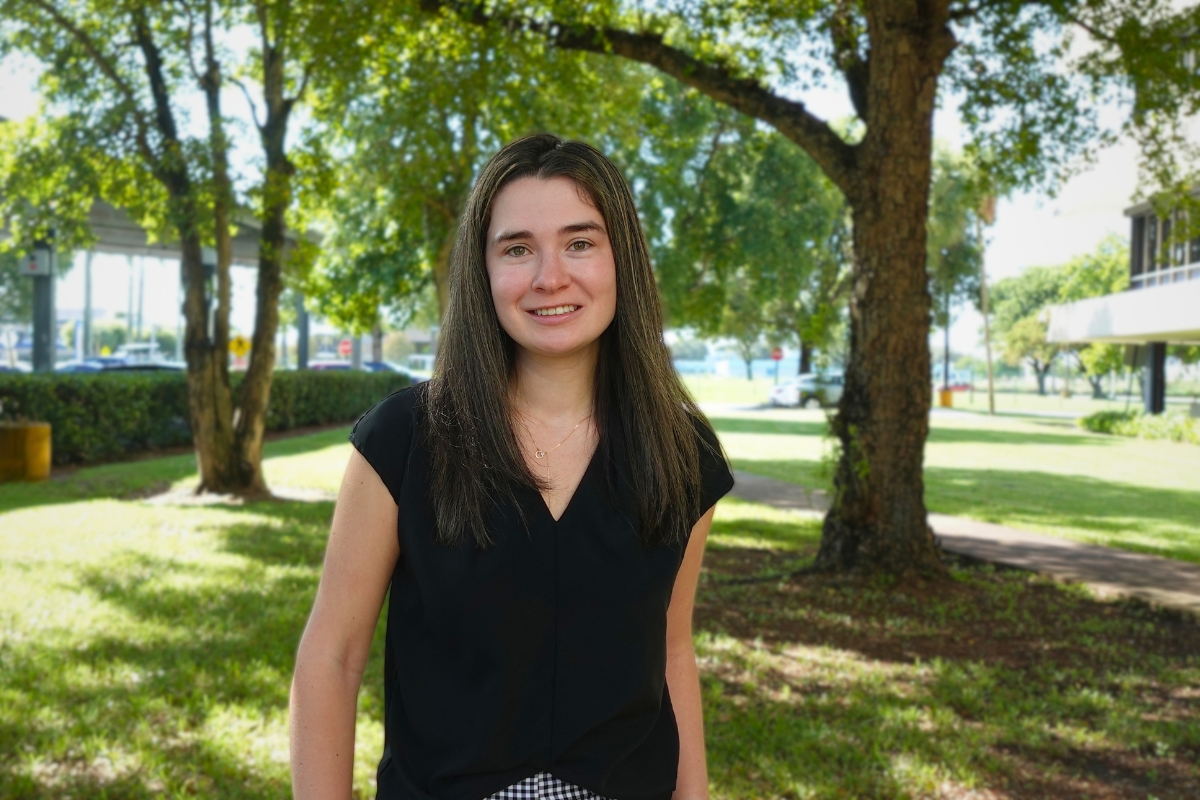
Meet Ph.D. student Alexi Switz from the Department of Biomedical Engineering, whose dissertation focuses on developing a cardiac patch, a living tissue “band-aid” designed to repair damaged heart tissue and restore cardiac function. The patch is made of coiled electrospun fibers, carefully engineered to mimic the heart’s natural physical and mechanical properties.
Alexi’s work advances the field of tissue engineering by providing new methods for assembling cardiac tissue structures and evaluating their biocompatibility. It also contributes to fundamental understanding of how engineered patches integrate mechanically with the heart, potentially improving outcomes for patients who have suffered a heart attack.
Inspired by her principal investigator, Dr. Anamika Prasad, Alexi drew on the similarity between the coiled geometry of plant cell walls and the fibers found in the heart to guide her patch design. This unique approach blends biology, engineering, and biomimicry to create innovative solutions for heart repair.
Expected to graduate in Spring 2027, Alexi has even developed freestanding tissue structures in a petri dish that can beat like real heart tissue, showcasing the potential of her research to transform cardiac regenerative medicine.
Related resources:
Watch Alexi explain her research on Instagram.