
Engineering education is evolving alongside rapid technological change. As artificial intelligence reshapes the engineering workforce, colleges and universities face the challenge of preparing students with the skills they need while also supporting an increasingly diverse student population. For many transfer and nontraditional students, navigating a large university can present unique obstacles that influence their academic success and future careers.
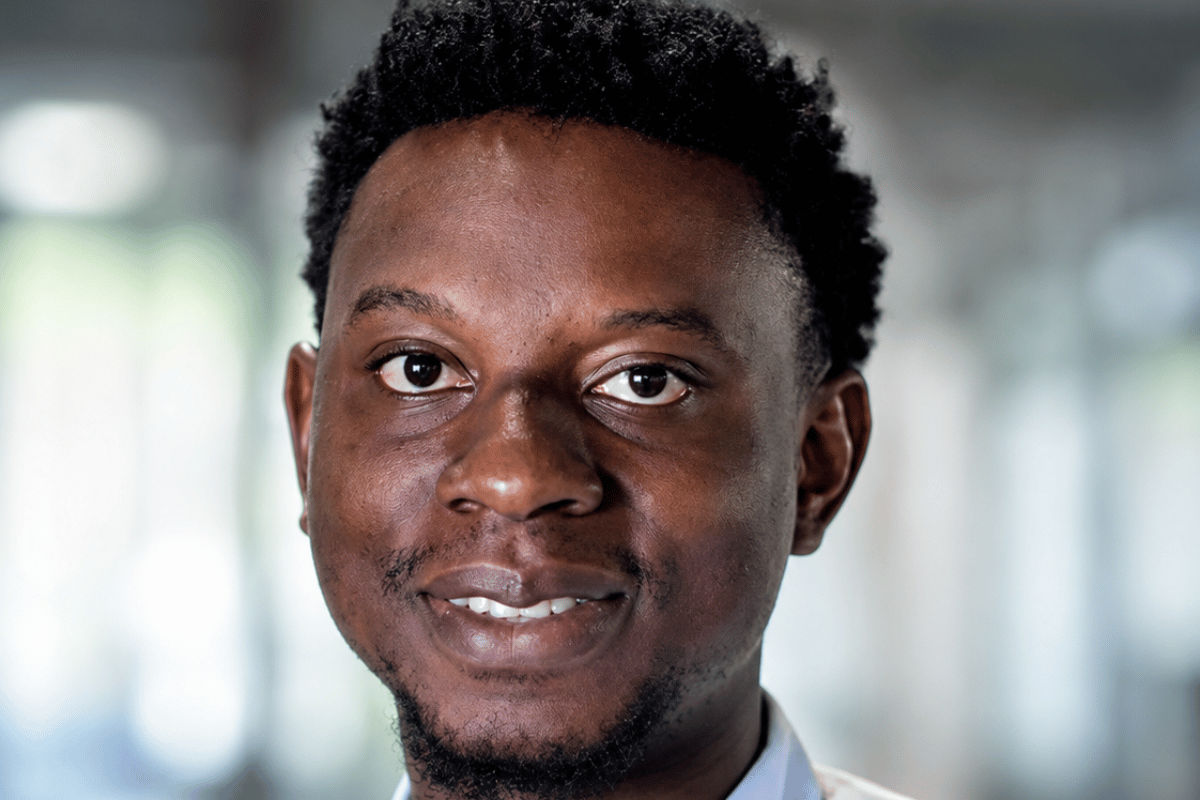
Meet Ph.D. graduate Daniel Adeniranye from the Department of Engineering and Computing Education. His dissertation explores how engineering transfer students experience a large university, focusing on their lived experiences rather than assumptions about their journeys. Through this work, Daniel identified a pattern he calls "paradoxical navigation," where students often succeed by creating for themselves the support systems that institutions assume already exist. His broader research also examines how engineering students and academic programs develop the artificial intelligence competencies increasingly expected in today's workforce, using qualitative and mixed methods to generate evidence that can guide educational practice.
As transfer and nontraditional students become one of the fastest-growing populations in engineering, and as AI continues to transform the profession, Daniel's research offers practical insights for both higher education and industry. His findings highlight strategies such as proactive mentoring to improve student success while also identifying effective approaches for integrating AI competencies into engineering education. Together, these efforts help shape programs that better prepare future engineers to succeed in a rapidly changing world.
Daniel's passion for this research comes from personal experience. As a first-generation scholar who left an established career and moved across the world to pursue his education, he experienced firsthand how much a student's success can depend on support that is not always visible or guaranteed. Those experiences inspired him to transform his own journey into research that can help future generations of engineers not only access opportunities but thrive as leaders in the field.
After defending his dissertation in May 2026, Daniel will graduate in Summer 2026. His research contributes to a growing understanding of how engineering education can better support student success while preparing graduates for an AI-driven future, helping ensure that engineering programs remain both inclusive and responsive to the evolving needs of society.
(Fun fact: Before analyzing a single interview, Daniel's research method required him to write down and intentionally set aside his own assumptions about the topic. The process, known as "bracketing," helps qualitative researchers minimize personal bias and better understand participants' experiences on their own terms.)