
Our New Cyber Partnership
This month, I want to highlight how we're translating faculty expertise into community capability.
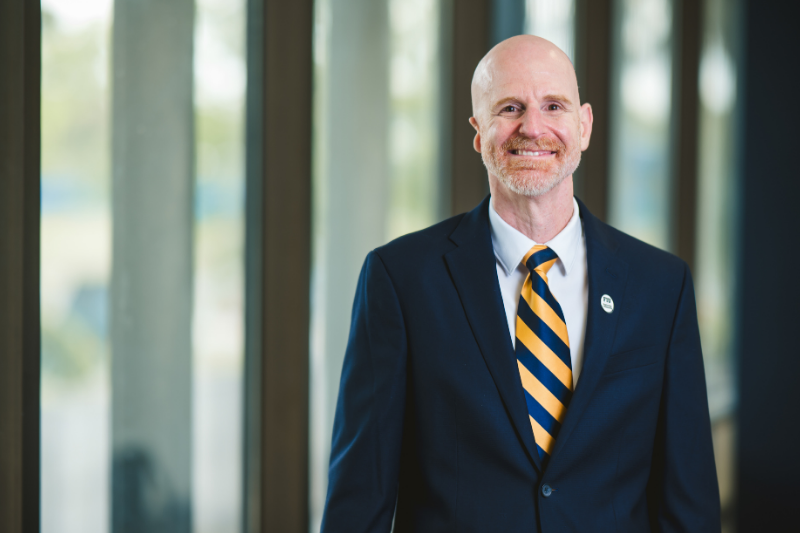
As dean of FIU’s College of Engineering & Computing, I have a front row seat to the great opportunities and challenges that come with living in a world city: Miami.
One key challenge is cybersecurity. Miami is a global hub for commerce, travel, finance, and digital activity, creating a complex cyber environment. For example, visitors are often connecting their devices to infrastructure that they haven’t used before, which bad actors may see as an opportunity.
Our college is working with collaborators to help keep our community and visitors safe.
FIU recently signed a memorandum of understanding (MOU) with the Miami-Dade Sheriff's Office Cyber Crimes Bureau, one of the largest cybercrime task forces in the country. The partnership pairs FIU faculty expertise with the Bureau's investigators, creating a pathway for shared training, research collaboration, and hands-on opportunities for our students.
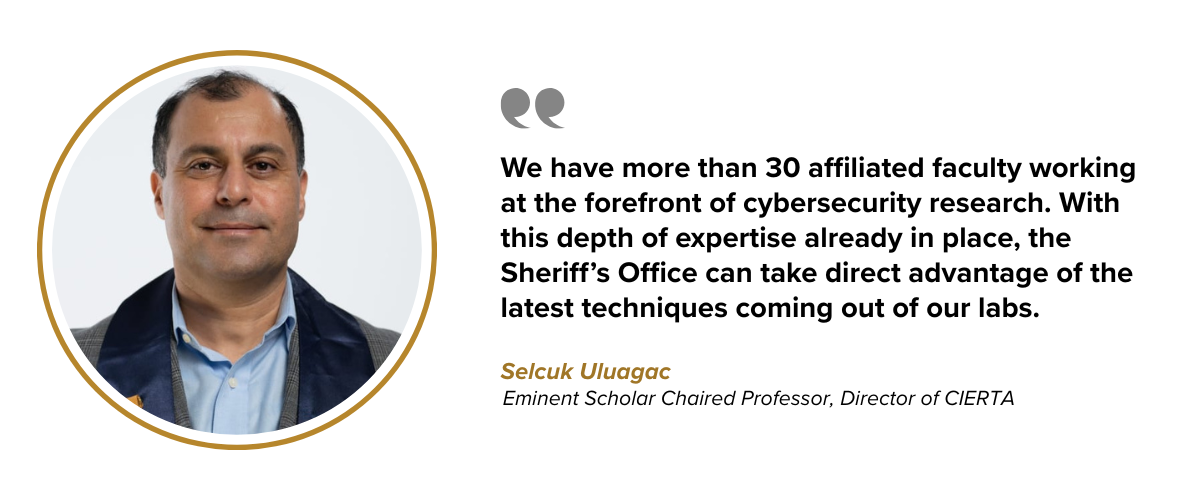
Leading the effort on FIU's side is Professor Selcuk Uluagac, director of the Center for Integrated Security, Privacy, and Trustworthy AI (CIERTA), whose work has positioned FIU as a leader in cybersecurity research and workforce development.
The MOU comes during a time of rising cyber threats. Last year, reported losses to the FBI's Internet Crime Complaint Center surpassed $20 billion for the first time.
We have entered an era where computing power has made the capabilities available to bad actors exponentially more dangerous, says Chief Technology Officer and Chief Information Security Officer George Perera.
“What is especially alarming is how accessible cybercrime has become. With the rise of tools like AI, people with little to no computer skills are now able to start their own operations. We have even seen middle schoolers launch cybercrime campaigns,” Chief Perera says.
This is why it is so important to provide pathways for the mutual exchange of knowledge and techniques between faculty and investigators at the Sheriff's Office. We cannot let criminals get ahead of our crime-fighting capabilities.
I am excited to see this exchange of ideas. We bring to the table a suite of new cybercrime fighting techniques, from preventing ransomware attacks through internet browsers, to protecting drones from being hacked mid-flight, to securing unpatched mobile devices.
This MOU also creates real opportunities for our students. It establishes a pathway for applying what they learn in the classroom to the processes used by the Bureau.
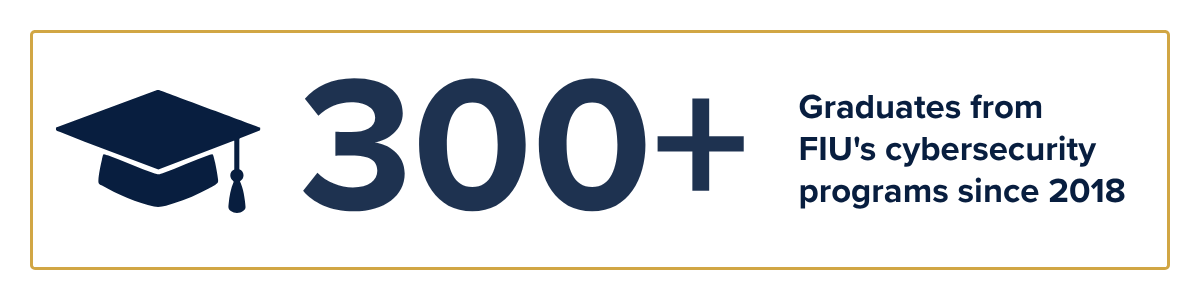
Importantly, this partnership builds on FIU’s broader cybersecurity education ecosystem, including our Bachelor of Science in Cybersecurity and Master of Science in Cybersecurity programs. Since 2018, these programs have graduated more than 300 students, strengthening the talent pipeline needed to meet growing cyber needs across government, industry and the community.
At the same time, investigators will learn from the same faculty who have mentored FIU alumni now working at companies like Apple and Google. Our researchers will gain from this, too, by learning more about the challenges investigators face daily.
This partnership is the kind of model I'm proud to see take shape at our college: faculty expertise connecting to real community needs, students learning through applied challenges, and external partners working with FIU to strengthen the systems and services people rely on every day.